
Choosing land to build in the Tri-Cities? Learn what to consider, from sunlight and views to lot size, foundations, utilities, and site preparation.
Choosing the right piece of land is one of the first big decisions you'll make when building a home. Here's what to consider before you buy, from sunlight and views to home placement and site preparation.
Finding a lot you love is exciting. Maybe it's the view, the neighborhood, the extra backyard space, or simply the feeling you get when you stand on the property and start imagining your future home there.
But before you fall in love with a piece of land, there are a few things worth thinking about.
The lot you choose can influence more than just where your house sits. It can affect your home's layout, the natural light you enjoy throughout the day, how you use your outdoor spaces, and even some of the construction decisions that go into building your home.
So, how do you know if a lot is the right fit? Here are a few things we'd encourage you to consider before purchasing land for your new home.
1. Which direction will your home face?

This is one of those details that's easy to overlook when you're looking for land, but it can make a difference in how you experience your home every day.
Think about when and where you enjoy natural light. Do you love a sunny kitchen in the morning? Would you rather have your backyard filled with afternoon sunshine? Or maybe you're someone who loves ending the day outside watching the sunset.
The direction your home faces, along with the placement of your windows and outdoor living spaces, can help you make the most of the property's natural surroundings.
A few things to think about:
Where will the morning sun come into your home?
Will your covered patio get the afternoon or evening light you want?
Are there views you'd love to enjoy from your kitchen, living room, or primary bedroom?
Is there anything surrounding the property that could affect your privacy or future views?
These are the kinds of details that can turn a house into a home that feels just right for the way you live.
2. Think about how you want to use your property.

When choosing a lot, don't just think about the house you want to build. Think about everything you want to do around it, too.
Maybe you need a little extra room for your boat or RV. Maybe a large backyard for the kids and dogs is at the top of your list. Or perhaps you've always pictured having a pool, an outdoor kitchen, or a spacious covered patio where everyone gathers.
Your lifestyle should play a part in choosing your property.
Consider:
Do you need additional garage or RV parking?
Would you like room for a pool or future outdoor improvements?
Do you envision a large entertaining space?
Is having a spacious yard important to you?
Would you like room for a garden, shop, or other hobbies?
The size and shape of a lot can influence how much room you have for these features and where they can be placed. It's worth thinking about your long-term plans before settling on a property.
3. Is the lot flat, sloped, or somewhere in between?

Not every lot is perfectly flat, and that's not necessarily a bad thing!
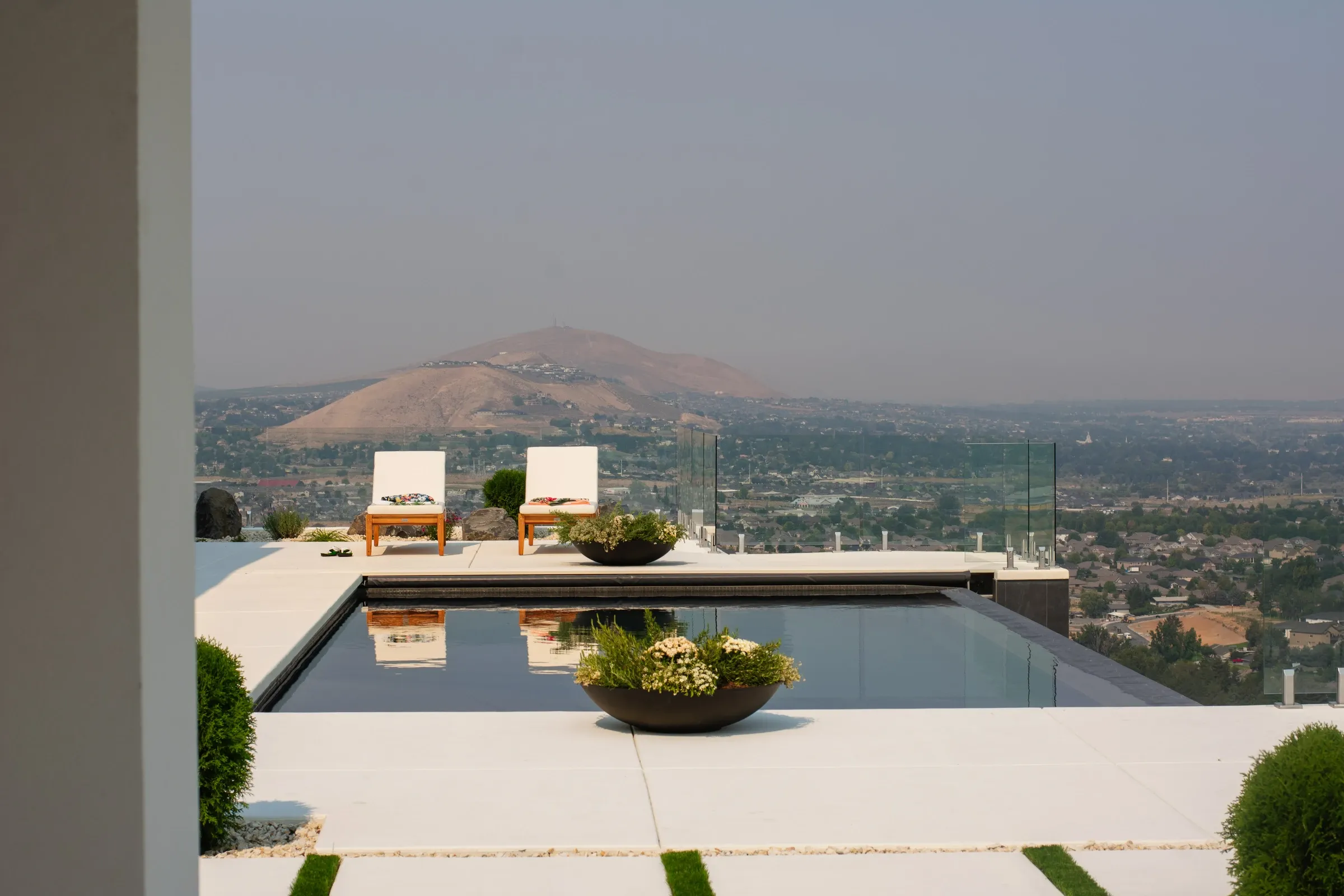
A flat property may offer more flexibility for certain home designs and outdoor spaces. A sloped lot, on the other hand, can create opportunities for beautiful views and unique home designs.
What matters is understanding how the property's terrain could influence the home you want to build.
The slope, elevation, and existing conditions of the land can affect how the property needs to be prepared before construction begins. This may include grading, leveling, excavation, or other site work.
There's another important consideration here: your home's foundation.
Depending on the property's conditions and the home's design, a slab or crawl space foundation may be the better fit.
Neither is automatically the right choice for every property. It's something that should be evaluated based on the specific lot and home you're planning to build.
This is one of the reasons we always recommend walking a property with your builder before making a final decision.
4. Will the home you want fit on the lot?

Sometimes a lot looks like it has plenty of room until you start thinking about the actual size and placement of your home.
The total square footage of a property doesn't always tell the whole story. Its width, depth, shape, and any building restrictions can all influence what you can build.
For example, you may have your heart set on a particular floor plan with a three-car garage, but the lot might not accommodate that layout the way you envisioned.
A few things to consider:
Lot dimensions: How wide and deep is the property?
Setbacks: How far does the home need to sit from the property lines?
Easements: Are there designated areas for utilities, drainage, or access that affect where you can build?
Home placement: Is there room for your desired floor plan, garage, and driveway?
Outdoor space: Will you still have the backyard or patio space you're hoping for?
This doesn't mean you need to have your entire home design figured out before choosing a lot. In fact, we can help you look at both together.
Sometimes finding the right lot helps narrow down the home design, and sometimes knowing what kind of home you want helps you find the right property. It's all part of the process!
5. Sewer, septic, and utilities: What should you know?

Another thing to look into when purchasing land is how the property is serviced.
Some residential lots connect to a public sewer system, while others require a private septic system. The difference can influence how the property is developed and what needs to be considered when planning your home.
Sewer: A home connected to a municipal sewer system sends wastewater through the public sewer infrastructure.
Septic: A home with a septic system has its own wastewater treatment system on the property. The location and requirements of that system can influence where the home and other improvements can be placed.
You'll also want to consider access to water, electricity, and natural gas, if applicable.
These aren't necessarily things you need to know how to evaluate yourself. They're simply important details to bring into the conversation when considering a property.
Our team can help identify what utilities are available and what needs to be considered as we evaluate the lot together.
6. What does it take to prepare the lot for your home?

Once you've found a property you love, the next step is understanding what it will take to get it ready for construction.
Some lots are already developed and have much of the necessary preparation completed. Others may require additional work before your home can be built.
Depending on the property, this could include:
Clearing trees, brush, or other existing obstacles.
Grading or leveling portions of the land.
Excavating and preparing the building pad.
Addressing drainage considerations.
Connecting utilities or extending existing services.
Preparing access and driveway areas.
Every property is different, which is why it's important to evaluate the lot rather than assume all land is ready for construction.
At Prodigy Homes, we believe in being transparent about the investment from the beginning. We work through the site preparation requirements, obtain the necessary quotes, and review the associated costs with you before you sign your contract.
We want you to understand what goes into your home and feel comfortable with the numbers before moving forward.
7. Don't forget about the neighborhood and surrounding area.

Your lot determines where your home will sit, but the surrounding area becomes part of your everyday life, too.
Think beyond the property lines and consider what your day-to-day routine might look like.
How close are you to grocery stores, restaurants, and everyday conveniences?
Are schools, parks, or walking paths nearby?
How long will your commute be?
Do you prefer a neighborhood with sidewalks and nearby neighbors, or a little more space and privacy?
Are there planned developments or changes in the surrounding area worth knowing about?
Especially here in the Tri-Cities, there are so many different types of communities and properties to choose from. You might love the convenience of a centrally located Kennewick neighborhood, or prefer a little more room and a quieter setting outside the city.
Think about what matters most to you now, and what will continue to matter five, ten, or twenty years from now.
8. You don't have to figure it all out on your own.

If there's one thing we'd want you to take away from all of this, it's that choosing a lot doesn't have to be something you navigate on your own.
In fact, we'd love to be part of that decision!
At Prodigy Homes, we'll walk the property with you and look at it from a builder's perspective. We'll talk through how your desired home might fit, where it could sit, how you might take advantage of the views and natural light, and what the property's terrain and utilities mean for the building process.
We'll also help you understand what site preparation may be needed and what those costs look like. We believe in having those conversations upfront, obtaining quotes, and being transparent about pricing before you sign your contract.
You don't need to know all the right questions to ask or understand every construction detail before getting started. That's what we're here for.
Our goal has always been to create the best experience in home building, and that starts long before the first shovel hits the ground.
The right lot is where your next chapter begins. Let's find the right place to build it.
If you're considering building a home in Kennewick, Richland, Pasco, or anywhere in the Tri-Cities, we'd love to walk a property with you and talk about what's possible.
Frequently Asked Questions:
Can you build any house on any lot?
Not necessarily. The size, shape, terrain, and building requirements of a property can influence which home designs will work. Working with a builder early can help you determine whether your desired floor plan is a good fit.
Is it better to buy a flat or sloped lot?
Both can have advantages! Flat lots may offer more flexibility for certain home designs, while sloped lots can create opportunities for unique layouts and views. The best choice depends on the property and the home you want to build.
Should I choose a lot before choosing my floor plan?
You don't necessarily have to do one before the other. Your desired home and the property should be considered together to make sure the layout, garage, and outdoor spaces all work.
Should I have a home builder look at land before purchasing it?
Absolutely! Having a builder walk the property with you can help you understand how your home might fit, what site preparation may be needed, and what considerations could influence your construction plans..
Tags